Plan a Pinterest product collage around one customer use, keep every item identifiable and check what the image promises before turning it into a campaign.
Use TikTok Creator Search Insights to choose a relevant customer question, plan an honest demonstration and build the next branded campaign from what you learn.
Build a small Pinterest holiday-content experiment that connects a useful visual idea to the right product page, then judge saves and outbound visits separately.
Plan a joint shop-local campaign with clear partner roles, accurate visitor details and distinct brand voices. Includes 2026 US/UK dates and a shared worksheet.
Use a small UTM naming record to keep campaign traffic interpretable, check the destination before launch, and separate recorded visits from business outcomes.
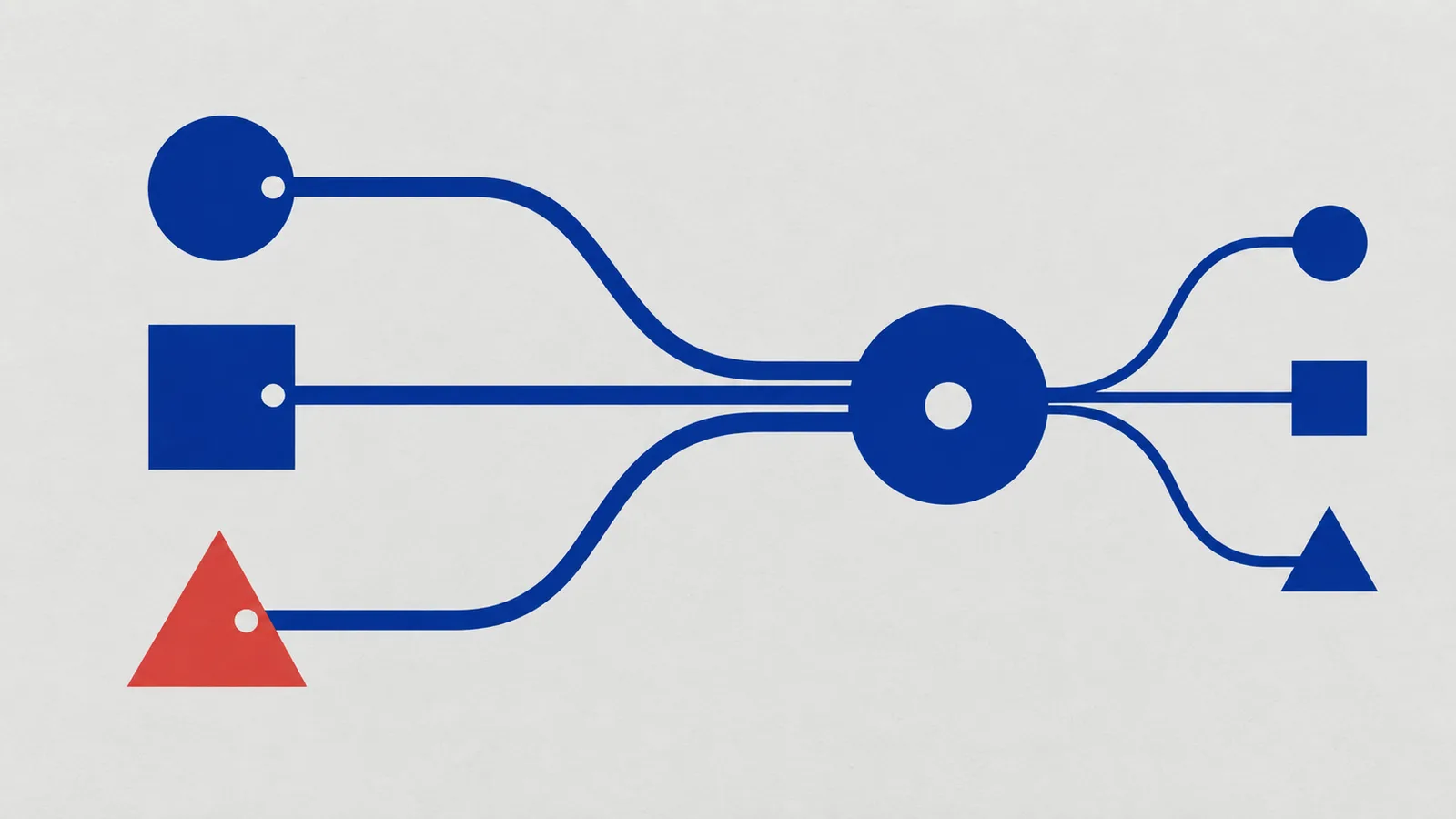
Modern distribution engines rely on predictability. When an account abruptly changes topics, the system loses its predictive footing and restricts reach.
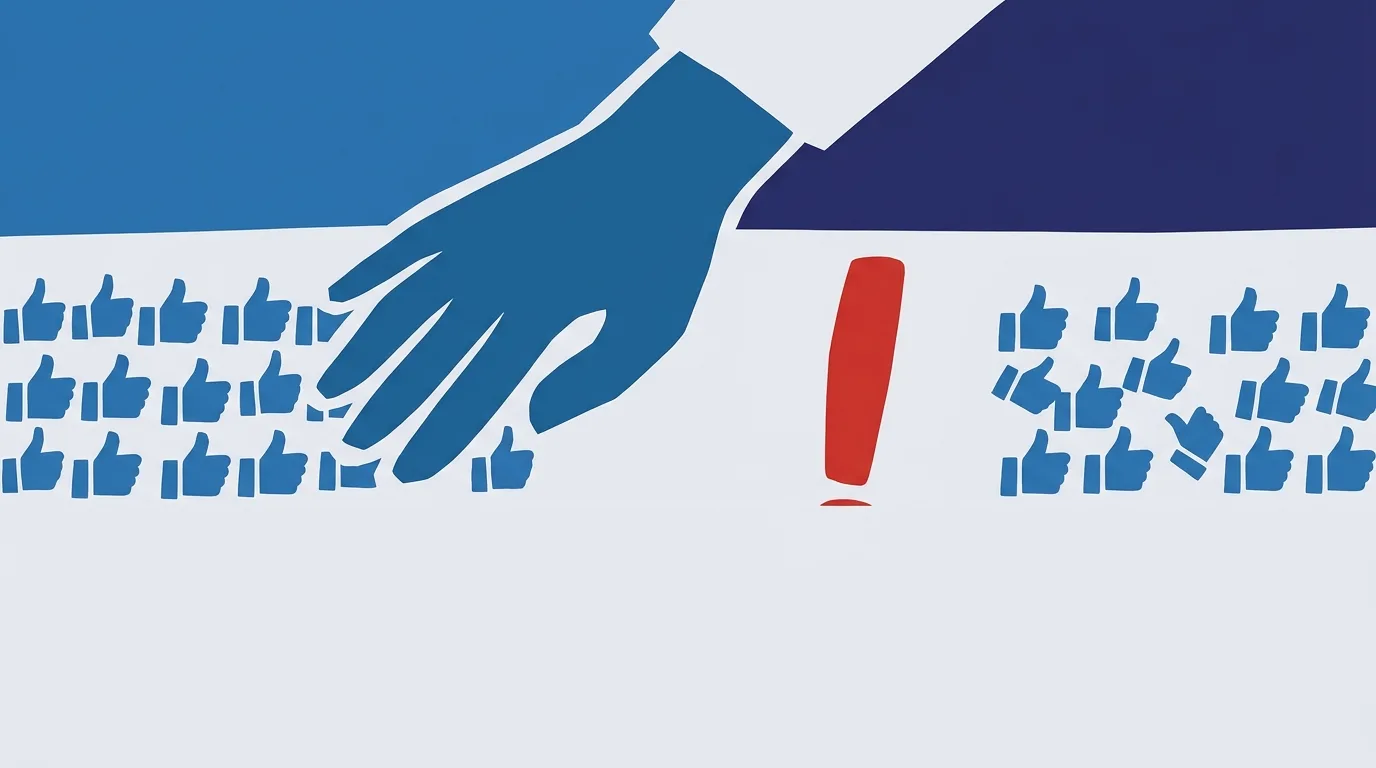
A quiet mathematical asymmetry governs modern feeds. Positive interactions add incremental reach, but active rejection acts as a severe multiplier that can erase all momentum.
Platforms are heavily discounting passive view durations. Instead, they look for mid-post micro-interactions to prove users are actively consuming content.
High engagement metrics cannot save a post if it prompts users to leave the platform. Discover why algorithms systematically penalize session-ending content.
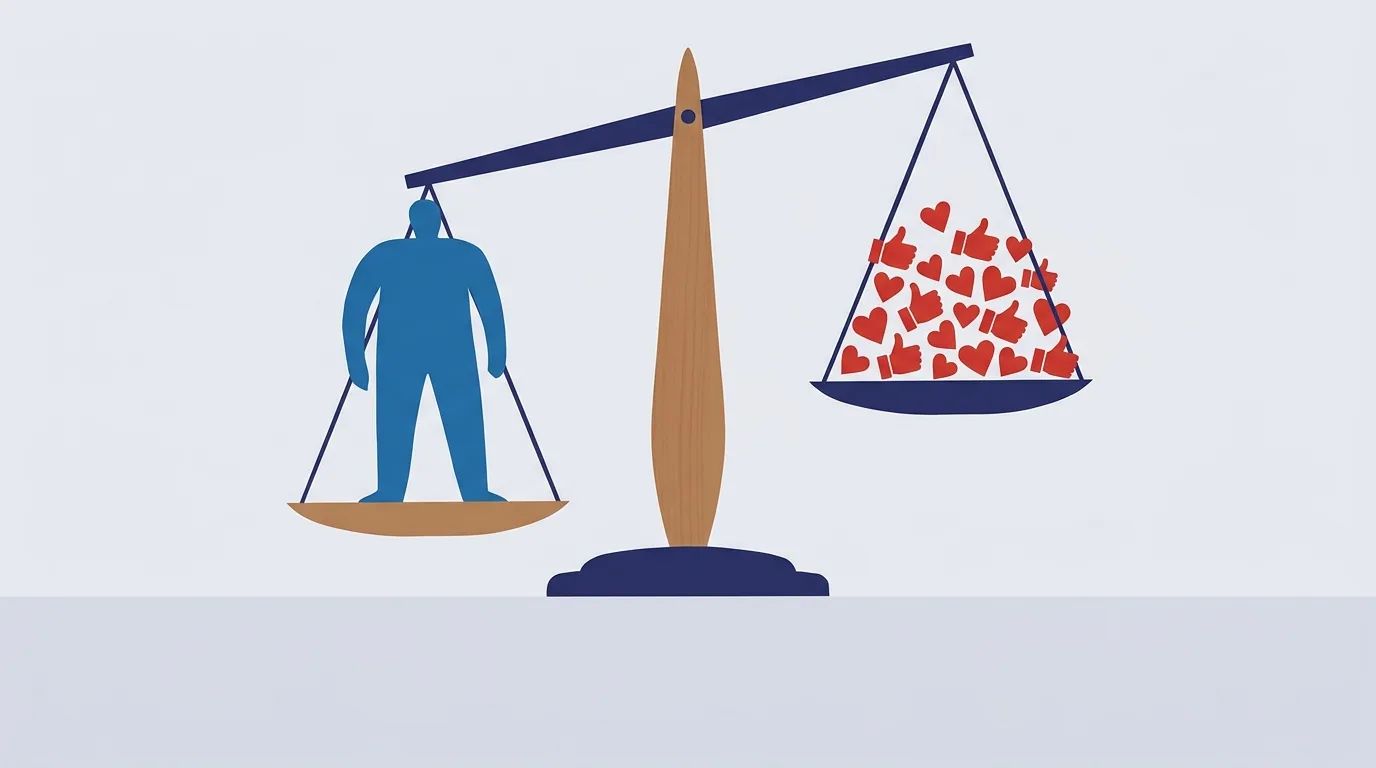
A high ratio of likes to views feels like a win, but it often masks a fatal flaw in distribution. When the broader audience bypasses a post in milliseconds, reach is strictly capped.
An account's existing audience no longer serves as a guaranteed distribution list. Instead, modern interest-based algorithms use followers as a strict statistical sample to calculate a post's viability for the broader feed.
Surface-level interactions are increasingly discounted by modern distribution systems. A profile click, however, forces the algorithm to recalculate user interest and adjust future reach.
Shares create immediate velocity, but bookmarks alter a post's lifespan. By signaling lasting utility, saves flatten the decay curve and keep content circulating for months.
Algorithms no longer treat raw comment volume as a blind multiplier. Instead, natural language processing evaluates reply depth, meaning a flood of single-word comments can actively dilute a post's distribution.
Public engagement metrics are losing their algorithmic weight. Today, the ratio of private shares to total reach is the primary signal for broader discovery.
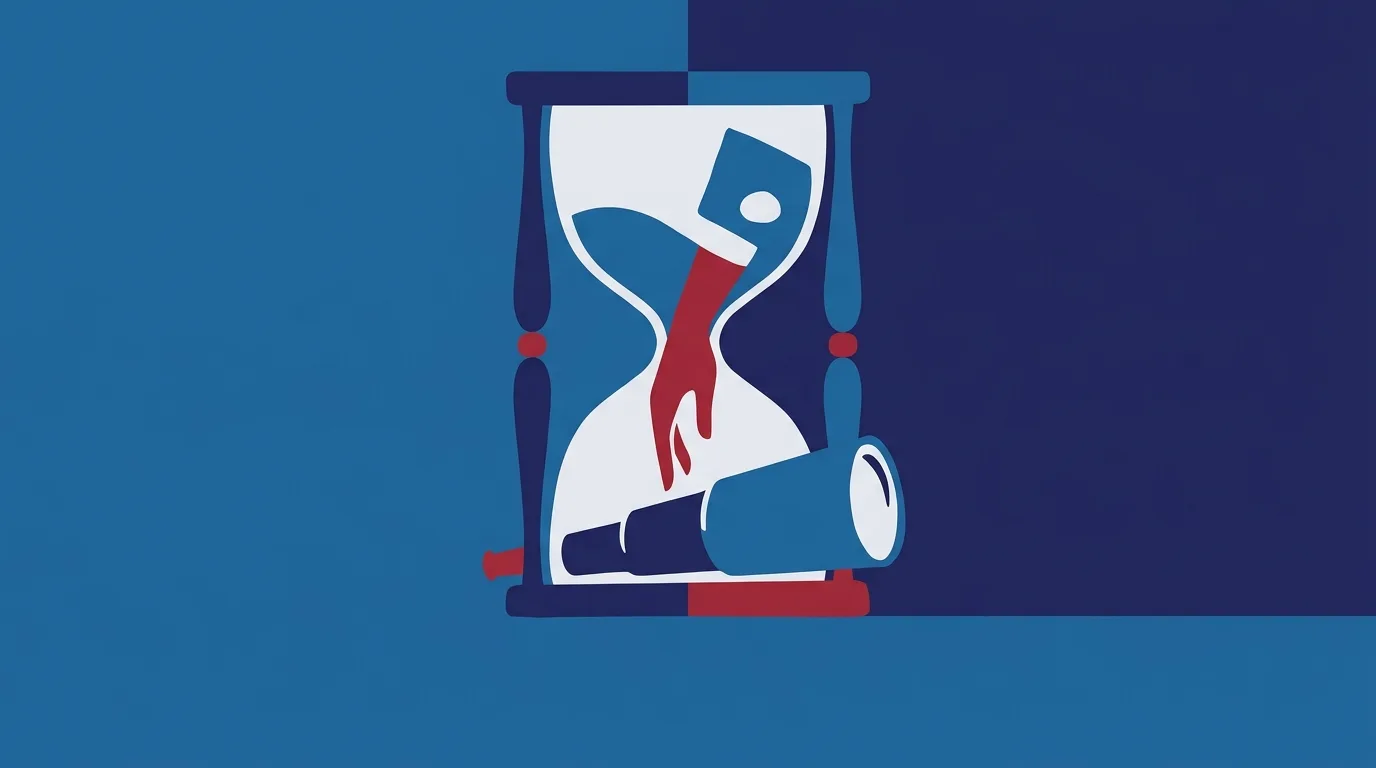
The first hour after publishing isn't a magical reach multiplier. It operates as a strict diagnostic window where platforms measure early signals against micro-cohorts.



 Kai Renner