The Expansion Click Starts the Clock
The 'see more' click acts as a binary switch that activates deep dwell time measurement. Passive scrolling time is largely discounted by algorithms.
 Kai Renner7 min read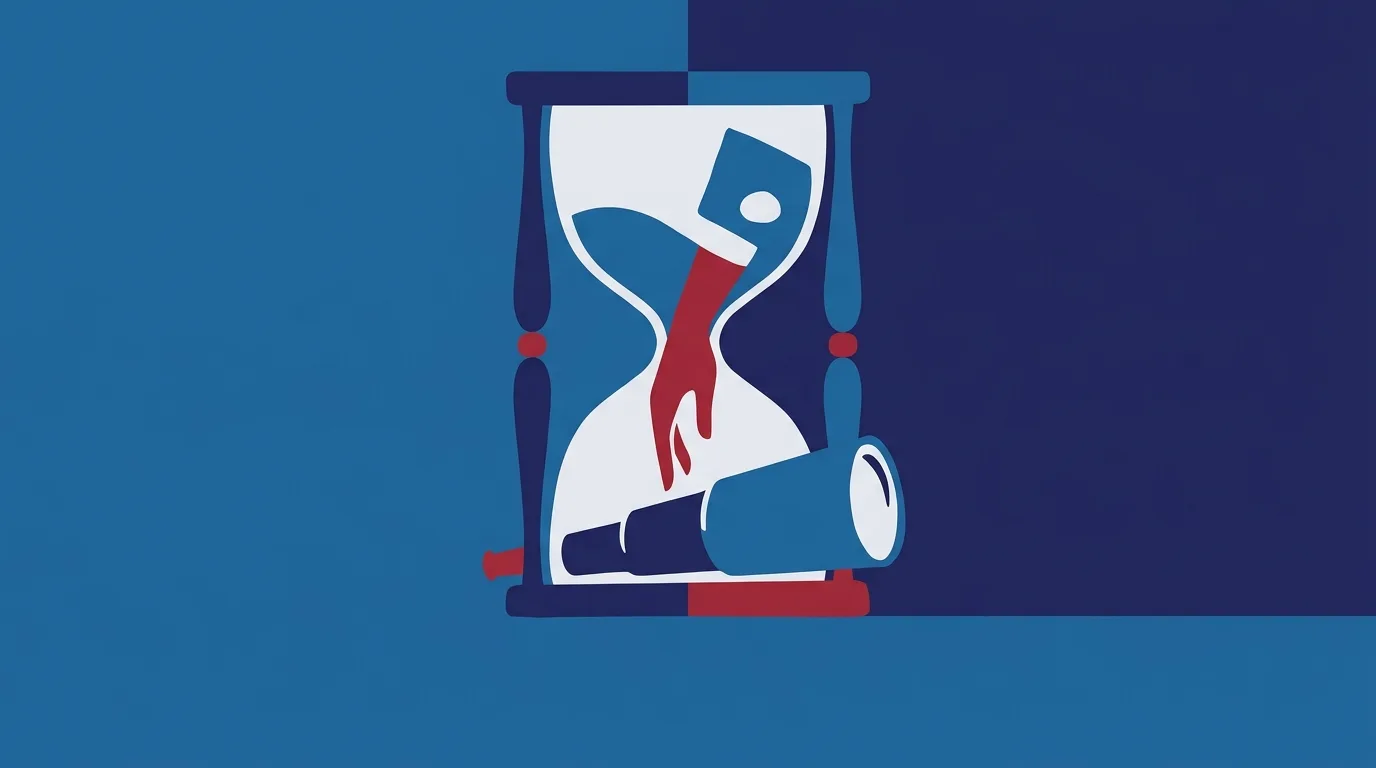
Most digital platforms are built around a central tension: capturing attention versus measuring it. For years, the measurement side relied heavily on easily quantifiable actions. A like, a share, a comment. These are discrete events, simple to tally and display. But as these metrics became easier to automate or manipulate through engagement pods, the underlying systems began looking for signals that are harder to fake. They shifted toward observing time.
Yet time itself is inherently noisy. A user might leave their phone open on a desk, or scroll slowly while distracted by a television screen across the room. To filter out this ambient noise, text-heavy platforms tend to rely on a specific interaction to validate the attention being spent. The click that expands a post acts as a dividing line between passive exposure and active consumption. It is the moment the platform decides the content is actually being read.
The Boundary Between Feed and Post
When we look at how content propagates across networks, attention appears to be measured in two distinct phases. The first is feed dwell, which is the brief window a competitive post is visible for 3 or 4 seconds while a user scrolls past. The second is post dwell, which begins when a user actively engages with the material.
On platforms where text is the primary medium, a post is rarely displayed in its entirety within the feed. It is truncated after a few lines, leaving the rest hidden behind a prompt. This social media truncation creates a natural boundary. Passive scrolling time is largely discounted by distribution systems. A user hovering over a post for a few seconds in the feed might simply be reading the first sentence before moving on, or they might just be pausing to adjust their grip on their device. The system cannot reliably infer deep interest from this brief pause.
However, when a user clicks to expand the text, the measurement parameters shift. This see more click: an interaction that expands a truncated social media post to reveal its full text functions as a strict binary switch. Once that switch is flipped, the algorithm's deep dwell time measurement activates.
The system now has a definitive signal that the user intends to read. The clock starts, and the subsequent seconds spent on the expanded post carry significantly more weight than the time spent lingering on the unexpanded version in the feed. If those initial visible lines fail to earn the expansion, the algorithm generally assumes the content lacks value for that specific user, and any potential reading time hidden behind the truncation is entirely ignored.
Why Algorithms Trust the Clock
The reliance on this binary switch stems from a fundamental need for reliable data. Time, when validated by an explicit action like content expansion, is an honest signal. It requires sustained human focus. A user stopping to read an expanded text block for 45 or 60 seconds is demonstrating a level of interest that is exceedingly difficult to simulate at scale.
Conversely, posts that generate a high volume of likes but register very low dwell time are increasingly interpreted as superficial. This pattern often indicates engagement bait—content that prompts a quick reaction but offers little substance. When distribution systems detect this mismatch, they tend to suppress the post's organic reach. The system observes that while people are tapping a button, they are not actually staying to consume the material.
When the expansion switch is activated and followed by extended reading time, a multiplier effect often occurs. This sustained attention signals high value to the distribution system. In response, the system is more likely to push the post outward, testing it with a wider audience of second- and third-degree connections. For solo operators and small businesses without large established followings, optimizing for this specific sequence—the expansion followed by sustained reading—is one of the more reliable mechanisms for achieving visibility. It bypasses the need for massive immediate engagement and instead relies on the quality of the reading experience.
The Hook as a Structural Gatekeeper
Because social media truncation hides the majority of a longer post, the visible text serves as a strict gatekeeper. The information contained in those first few lines carries a disproportionate burden. It does not matter how valuable the insights are in the fifth paragraph if the first paragraph does not compel the user to expand the post.
This structural reality influences how effective content is formatted. The opening lines must create enough intrigue or establish enough relevance to force the expansion. Often, this involves a pattern interrupt or a carefully calibrated curiosity gap that makes the reader feel they are missing crucial context if they keep scrolling. The visual formatting, line spacing, and rhythm of these initial sentences are critical components of the algorithm signals being generated. If the text looks too dense, or if the premise is too vague, the user continues scrolling, and the measurement clock never starts.
There is ongoing debate among analysts regarding the exact algorithmic weight of this expansion click compared to other high-friction actions, such as leaving a thoughtful, multi-sentence comment. It is difficult to isolate the precise value of one over the other in a live environment, as platforms constantly adjust their internal weights. However, the expansion is almost universally the necessary prerequisite. A user cannot leave a meaningful comment on a long-form post they have not expanded and read.
The mechanics of reach are rarely about finding a loophole. They are about aligning with the behaviors that platforms are designed to reward. By understanding that passive visibility is heavily discounted, operators can focus their efforts on the threshold that actually matters. The goal is not merely to appear in a feed, but to prompt the specific interaction that tells the system the content is worth measuring.
 MultiCastMARKETING, TOGETHER.
Good ideas deserve a consistent campaign.
Bring your next marketing idea to MultiCast. Keep your brand at the center, from planning to publishing.
More to read

Pinterest Collages: Turn Separate Products into One Useful Shopping Idea
Plan a Pinterest product collage around one customer use, keep every item identifiable and check what the image promises before turning it into a campaign.
 Kai Renner
YouTube Shorts Related Videos: Give the Next Click a Clear Job
Connect a useful YouTube Short to a matching explanation with a desk-lamp example, link eligibility checks and a reusable campaign worksheet.
Kai Renner
TikTok Creator Search Insights: Turn a Content Gap into a Useful Answer
Use TikTok Creator Search Insights to choose a relevant customer question, plan an honest demonstration and build the next branded campaign from what you learn.
Kai Renner