One 'Not Interested' Erases a Hundred Likes
While marketers obsess over accumulating likes, recommendation algorithms treat a single negative signal as a churn risk that halts distribution entirely.
 Kai Renner8 min read
Updated
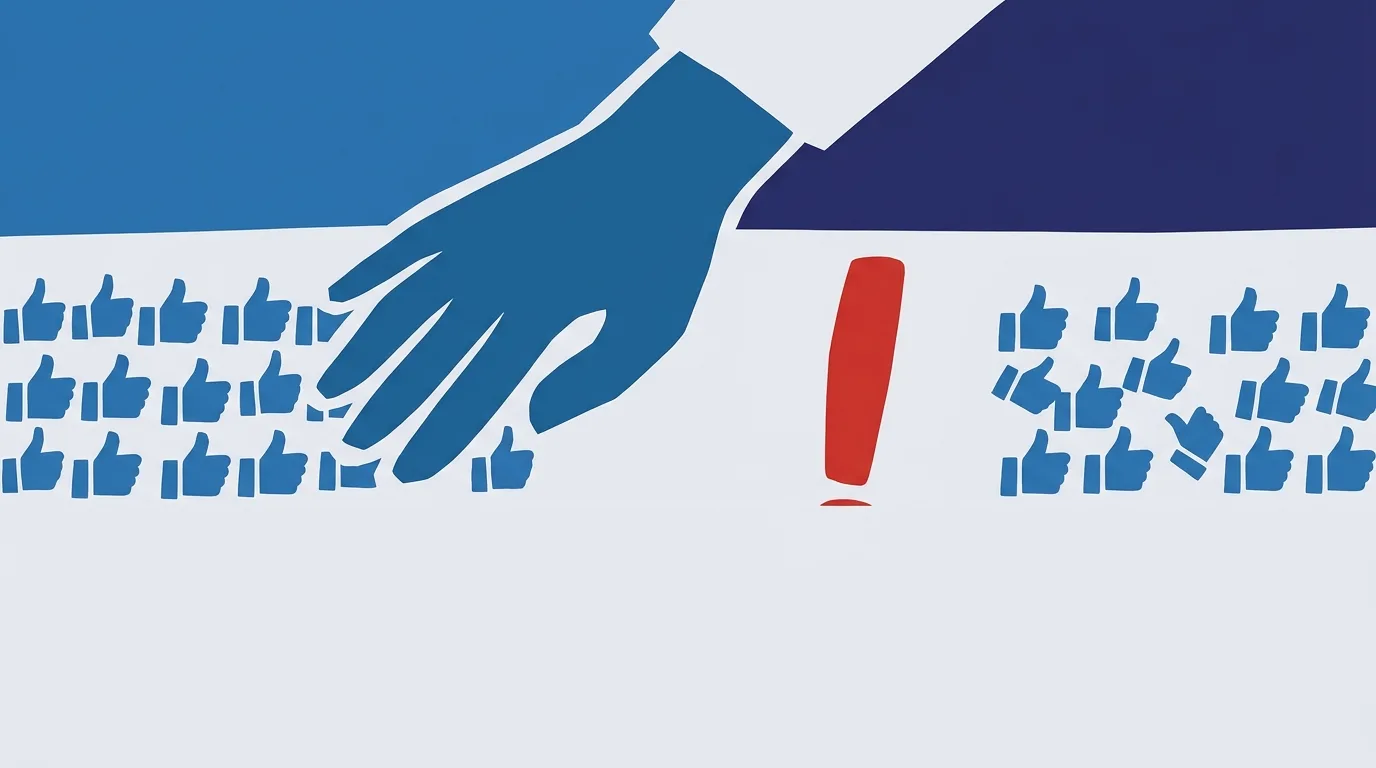
The dashboard of any social account presents a deceptively optimistic view of audience interaction. It tallies likes, bookmarks, and shares in neat, growing columns, reinforcing the idea that distribution is simply a matter of accumulating positive reinforcement. But beneath the surface of the user interface, recommendation algorithms process a shadow ledger that is far less forgiving. In the architecture of modern feeds, the most consequential data points are often the ones creators never see.
When tracking the velocity of a post across its first few hours, open-source algorithm data reveals a severe mathematical asymmetry in engagement weighting. A like or a save acts as an incremental vote, nudging a piece of content slightly further into the network. Conversely, a single active negative signal tends to function as a heavy penalty, capable of erasing the distribution gained from dozens or even hundreds of positive interactions.
This imbalance is not a flaw in the system; it is a structural necessity for platforms whose primary objective is user retention.
Active Rejection Versus Passive Disinterest
To understand the severity of this asymmetry, it helps to look at how recommendation engines categorize user behavior. Feed algorithms constantly monitor the friction of a user’s session. When someone quickly scrolls past a video or a text post without reading it, the system registers passive disinterest. This is an expected, low-stakes event. The model simply notes that the specific topic or format did not capture attention in that moment, and it adjusts the next batch of content accordingly.
However, the calculation changes entirely when a user takes deliberate action to remove a post from their screen. A not interested click: deliberate user action, such as muting or hiding a post, that signals severe dissatisfaction to the platform. requires navigation. It asks the user to stop scrolling, open a secondary menu, and confirm their desire to see less of that content or creator.
Recommendation systems appear to process this friction as an immediate churn risk. If a user is annoyed enough to actively curate their feed to remove something, they are theoretically one step closer to closing the application entirely. Because protecting the length of a session is the foundational goal of any discovery feed, the algorithm aggressively suppresses the offending content to prevent further negative experiences. The system halts the post's out-of-network distribution almost instantly, prioritizing the safety of the broader user base over the reach of the individual creator.
The Mathematics of the Penalty
The mechanics of this suppression highlight the stark difference between how humans and algorithms evaluate success. An operator might look at a post with five hundred likes and consider it a strong performer. But if that same post also accumulated five "hide post" clicks, the predictive scoring models governing the feed may grade it as a net negative.
Positive interactions typically add incremental value to a post's distribution score. A like might be worth a fraction of a point, while a share or a long dwell time might be worth a full point. Active negative signals, however, tend to act as severe negative multipliers. While exact weights fluctuate, observable data suggests that a single hide post penalty can mathematically negate the algorithmic momentum generated by a vast amount of positive engagement.
This mathematical reality places a firm ceiling on certain types of growth tactics. Content designed to provoke outrage, often referred to as ragebait, frequently generates high comment volumes and rapid initial spread. But inflammatory material also triggers significant spikes in blocks, mutes, and active rejections from users outside the target demographic. Because algorithm negative signals carry exponentially more weight than replies or likes, the mathematical penalties eventually overpower the engagement boost. The post hits an invisible wall, making deliberate polarization a highly unreliable strategy for sustained, long-term growth.
Invisible Accumulation and Reach Decay
The consequences of these negative signals extend beyond the lifespan of a single post. They slowly alter the relationship between a creator and their existing audience. When small-business owners notice a sudden, inexplicable drop in viewership, they frequently assume the platform has changed its rules or intentionally restricted their account. In many cases, the actual culprit is a silent accumulation of negative feedback.
This organic reach decay often follows a shift in content strategy. If an operator abruptly pivots their messaging, begins posting at an overwhelming frequency, or leans heavily into aggressive promotional material, they risk annoying their core audience. Followers who are fatigued by the new approach rarely take the time to formally unfollow; instead, they simply mute the account or hide the specific posts that bother them.
These actions train the algorithm to restrict that account's visibility. The system observes that the creator is consistently generating negative friction among the very people who explicitly opted in to see their content. Consequently, the platform begins to doubt the quality of the account's output, subjecting future posts to stricter algorithmic filtering before showing them even to existing followers. Over time, repeated negative signals degrade the account-level reputation, shrinking the baseline audience available for every new upload.
Recalibrating the Interest Graph
Beyond penalizing the creator, active rejection fundamentally alters the user's behavioral profile. Modern feeds operate on an interest graph, mapping complex relationships between users, topics, formats, and audio tracks. A "not interested" click does more than sink a specific post; it severs the algorithmic connection between the creator's niche and that user's future feed.
If a user hides a post about software development, the algorithm does not just penalize the author of that post. It slightly downgrades the probability of showing that user any content related to software development in the near future. For niche operators, this means that every negative signal they provoke potentially shrinks the addressable market for their entire industry on that platform.
There remains some ambiguity in how recommendation engines resolve deeply conflicting signals. The most common example is hate-watching, where a user watches a video in its entirety—a remarkably strong positive signal—but then clicks a menu to hide the post. While active negative clicks generally function as a hard override, the exact threshold where high watch-time might mitigate a negative action is constantly being tweaked by platform engineers.
Regardless of these edge cases, the broader tendency is clear. Distribution is not just a game of accumulation; it is an exercise in risk avoidance. The algorithms that govern reach are highly sensitive, risk-averse systems designed to protect the viewer's experience above all else. A hundred people nodding in agreement will slowly push a post forward, but it only takes one person turning away in frustration to stop it entirely.
Related reading: One Rewatch Outweighs a Hundred Likes.
 MultiCastMARKETING, TOGETHER.
Good ideas deserve a consistent campaign.
Bring your next marketing idea to MultiCast. Keep your brand at the center, from planning to publishing.
More to read

Pinterest Collages: Turn Separate Products into One Useful Shopping Idea
Plan a Pinterest product collage around one customer use, keep every item identifiable and check what the image promises before turning it into a campaign.
 Kai Renner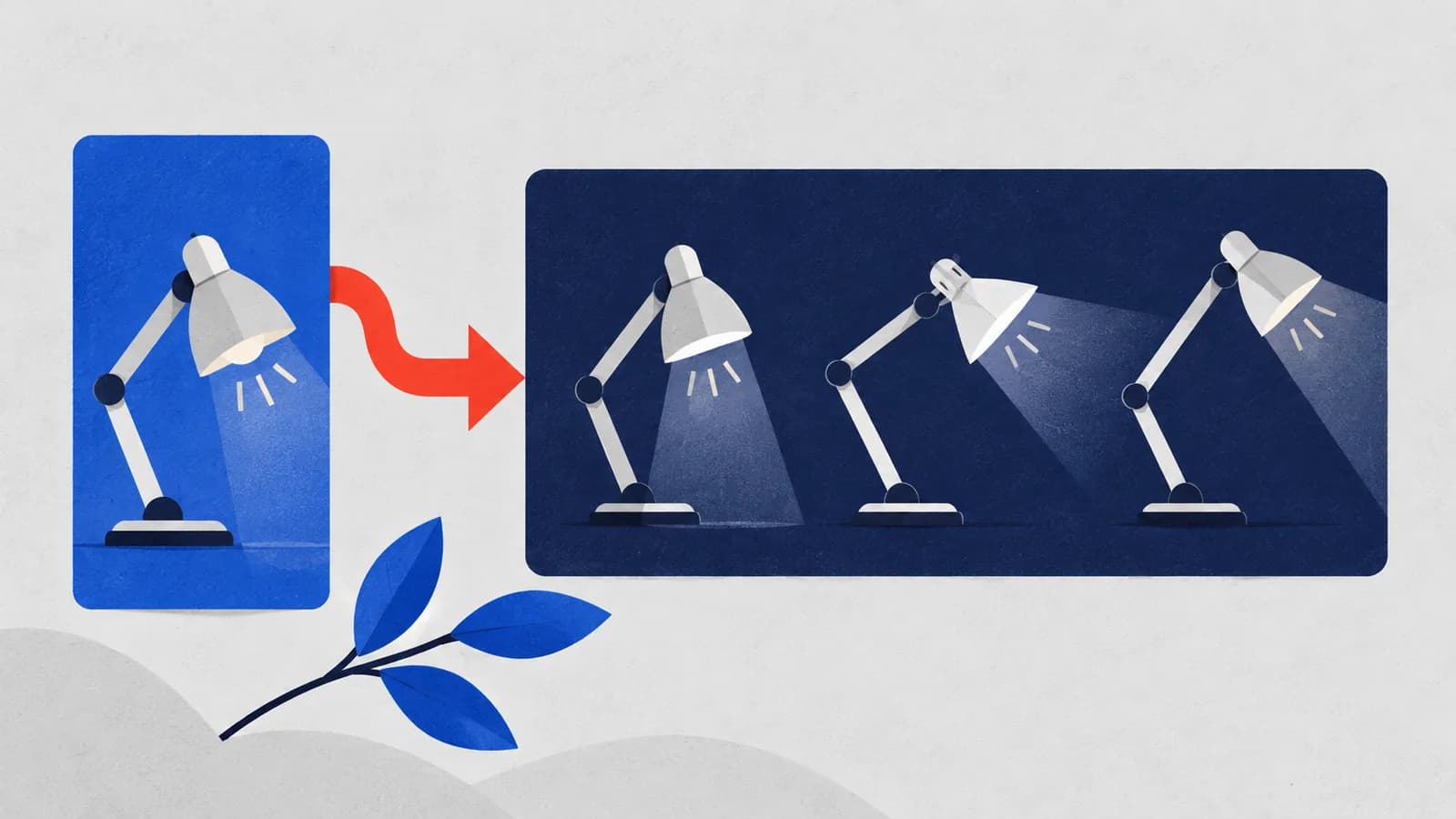
YouTube Shorts Related Videos: Give the Next Click a Clear Job
Connect a useful YouTube Short to a matching explanation with a desk-lamp example, link eligibility checks and a reusable campaign worksheet.
Kai Renner
TikTok Creator Search Insights: Turn a Content Gap into a Useful Answer
Use TikTok Creator Search Insights to choose a relevant customer question, plan an honest demonstration and build the next branded campaign from what you learn.
Kai Renner