Operator playbook
Halloween Event Marketing for Local Businesses: Turn Interest into Visits
Build a Halloween campaign around a clear event page, useful local details and a small set of posts that help customers plan a visit.
 Kai Renner · · 9 min read
For: US/UK owner-operated retail, craft and service businesses with lean teams.
The short answer
Choose one real event, answer the visit-planning questions and give every post a clear route to current details. Measure enquiries, bookings and attendance separately.
Halloween marketing works best when the next step is easy to picture: what will happen, who it suits, where to go and whether a place needs booking. For a local business, build the visit before building the promotional post.
A seasonal visual can earn attention. A useful event invitation gives that attention somewhere to go.
Outcome and prerequisites
Prepare one event page and a small set of social posts that help the right people attend. This guide suits US and UK independent shops and studios with a genuine Halloween activity. Start with confirmed dates, capacity, price or free-entry terms, location, access information and a booking route.
There is a timely US signal. Our September 24 check of Google Trends, using search terms, all categories and Web Search over the past 90 days, showed “Halloween events” gaining relative interest toward late September. That is a seasonal planning signal, not a count of potential visitors in your town.
The NRF's 2026 Halloween survey page reports that 49% began shopping in September or earlier. Shopping and event attendance are different behaviours; the practical lesson is to have useful information ready while people make plans. The US survey does not establish UK demand.
A usable answer first
Use one path: show the activity, answer the visit questions, link to current details, then check actual response.
An invitation should answer five questions:
- What will I do or see?
- Is it suitable for me or my group?
- When and where does it happen?
- What does it cost, and what is included?
- Do I book, enquire or simply arrive?
Make the destination useful even if someone lands there directly from search or a shared message. A title such as “Pumpkin-planter workshop in Oakfield: October 17” carries more information than “Something spooky is coming.” Oakfield and the event below are fictional examples.
Put the business name, location, date and booking condition in readable text, not only inside a poster. People can then inspect, share and quote the facts. This is information design, not a promise of search rankings or AI citations.
Worked brief
Imagine a fictional neighbourhood plant shop running a pumpkin-planter workshop. The planned session lasts one hour, materials are included, and places must be reserved. The owner needs relevant bookings, not nationwide attention from people who cannot attend.
The useful visual is the finished planter beside the materials. A short clip can show one making step. A detail card can explain what participants take home. Neither needs to imply that generated art is a photograph of a previous class.
An invitation might say: “Make a small autumn planter, with the pot and plants supplied. Book a place for the October 17 session and check the access details before visiting.”
A real business must replace every example detail with its confirmed offer. If children can attend, state the actual age and supervision conditions. If it is adult-only, say so rather than letting the pumpkin imagery imply otherwise. This is a proposed brief, not a customer campaign or attendance forecast.
Steps and checkpoints
- Choose a visit-worthy activity. A workshop or demonstration needs a concrete reason to come. A seasonal palette alone does not create that reason.
- Create the current destination. Add the five answers, exact times, full address and access information. Check the booking route on a phone.
- Show what visitors can expect. Use your actual materials, space or finished example. Separate illustrative art from evidence of facilities or previous events.
- Give each post a job. Explain the activity, resolve a practical question or report current availability. Avoid three versions of the same vague invitation.
- Check local discovery surfaces. Update your Google Business Profile separately if you use one. Google's event-post guidance supports titles, dates and times; omitted times can make an event display as lasting 24 hours. Confirm the visible post and destination.
- Check capacity before reminders. Name who confirms availability and changes queued copy. A sold-out session needs a different message.
- Close the loop. Record attendance and useful questions, then retire expired invitations.
For a larger promotion, build the wider seasonal content sequence. That guide covers stages; this one checks whether someone has enough information to make the visit.
Reusable worksheet
Keep this visit-readiness card beside the draft.
| Customer question | Plant-shop example |
|---|---|
| What happens? | Make a small pumpkin planter |
| Who can attend? | Confirm age and supervision conditions |
| What is included? | Pot, plants and guided making |
| When and where? | Exact time and full shop address |
| How do I join? | Working reservation link |
| What could change? | Capacity, timing or materials |
Add the fact owner and last-checked date to your private working copy.
What should the first post say? Show the actual activity, name the location and date, and direct people to current details. Keep the creative hook consistent with the experience.
How many posts are enough? Start with one clear invitation. Add another when it answers a different question or gives a meaningful update. This is a workload choice, not an optimal algorithmic frequency.
What should you measure? Keep relevant enquiries, completed bookings and attendance separate. Where your booking process supports it, record how people heard about the event; leave unknown sources unknown. Views describe distribution, not attendance caused by the campaign.
Failure modes
National attention is mistaken for local demand. A seasonal search increase can justify preparation. It cannot predict how many places your neighbourhood will fill.
The design hides the decision. Small text, missing times and an unclear booking condition make a beautiful poster difficult to act on. Put essential facts in the caption and destination too.
The trend overwhelms the offer. A popular joke may suit the brand, but customers still need to understand the activity. Check whether a trend fits your brand before adopting its structure.
An old reminder promises unavailable places. Review the schedule when capacity changes. Do not assume a booking update changes social posts automatically.
The review counts only the fullest-looking room. Record attendance and no-shows consistently. Without a comparable baseline, describe what happened rather than attributing every booking to a post.
From one-off to recurring
For repeated local events, the preparation becomes familiar: one confirmed offer, a recognisable visual direction, several useful formats and a checked schedule.
MultiCast is a practical place to build that recurring social campaign. Its public product description brings a shared Brand Kit together with images, carousels, short videos, campaign planning and scheduled channel publishing. That fits the work here: explain one event in several useful ways while keeping it recognisably yours.
Start with the visit-readiness card and one event. Use MultiCast to develop the social content around the same brand direction, then review each version against the confirmed details. Look for a more connected preparation routine when the next workshop or seasonal event arrives.
Maintain the booking destination and Google Business Profile separately unless your actual setup supports the connections you need. This recommendation concerns the advertised social-content workflow; no booking synchronisation or automatic capacity check is assumed.
Explore more practical campaign guides as you turn one invitation into a repeatable routine.
Evidence and updates
Sources checked September 24, 2026: Google Trends with the settings above, NRF's 2026 US survey page, Google's Business Profile documentation and MultiCast's public page. The plant-shop scenario and worksheet are original editorial proposals.
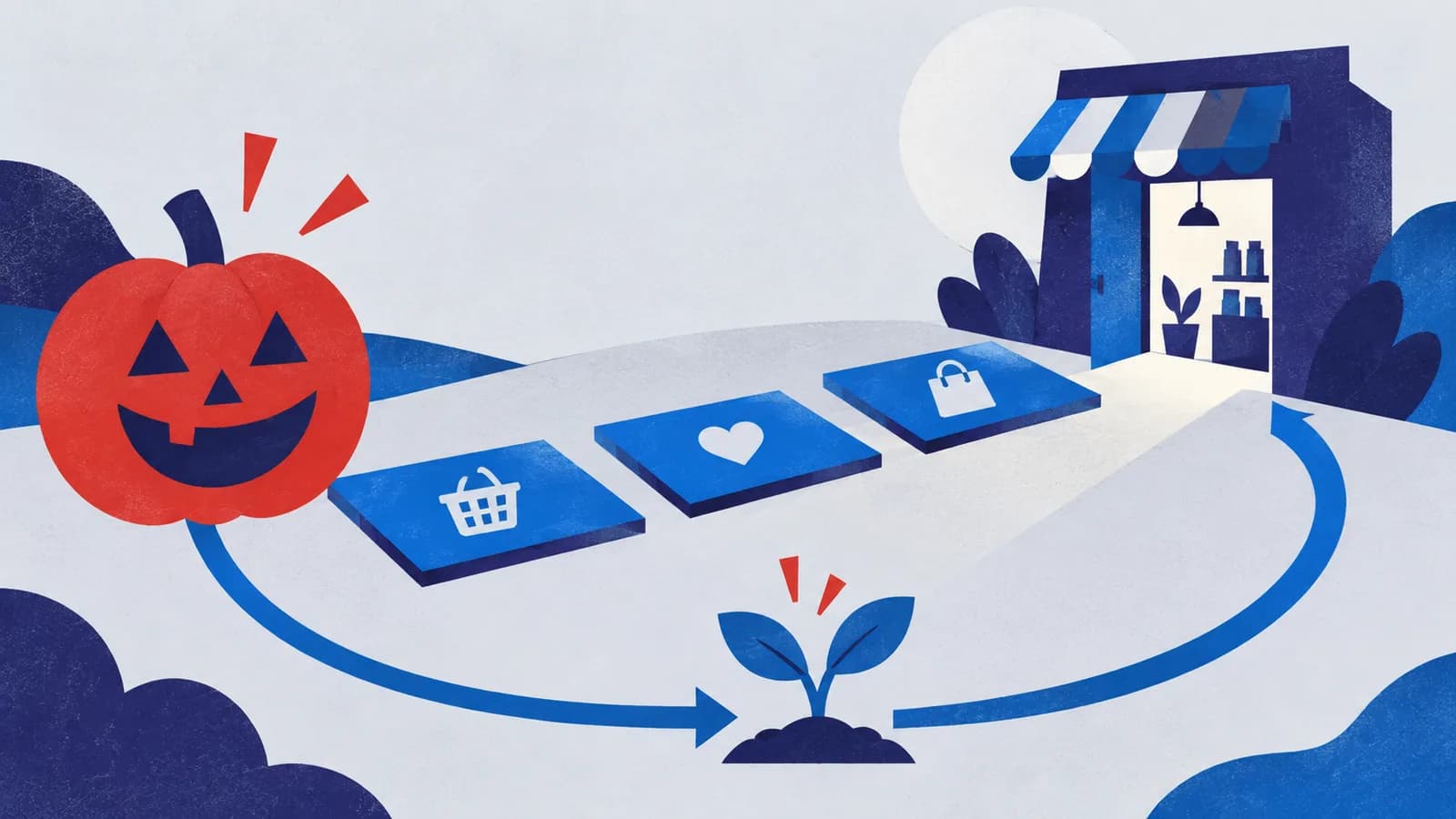
The generated geometric cover illustrates a path from attention to a visit, not measured results. Recheck event facts before reminders and close outdated invitations after the session. No attendance gain or search visibility was measured for this article.
 MultiCastMARKETING, TOGETHER.
Good ideas deserve a consistent campaign.
Bring your next marketing idea to MultiCast. Keep your brand at the center, from planning to publishing.