

When Session Depth Outweighs the Viral Spike
A single viral post offers a temporary traffic surge, but sustained growth relies on session depth. Platforms measure consecutive consumption to upgrade your account's baseline distribution.

An account publishes a new piece of material. The early signals hit the right thresholds, the velocity of interactions in the first hour is unusually high, and suddenly impressions surge. The numbers climb rapidly, creating a sense of arrival for the operator. But weeks later, the account’s average reach inevitably returns to its previous state. The viral event was an isolated spike, not a structural shift.
This reversion to the mean happens because modern recommendation engines have largely transitioned away from simple engagement-counting—tallying likes, shares, and comments—toward predictive probability models. Their primary mathematical objective appears to be maximizing a user’s total continuous time on the platform. A single high-performing post serves this goal temporarily by capturing attention for a fleeting moment, but it does not fundamentally alter how an algorithm evaluates an account’s long-term reliability.
When we track the data across different platforms, a clear pattern emerges regarding what actually compounds over time. The isolated spike is noisy and unpredictable. What actually changes the underlying math of an account is a sustained pattern of deep, consecutive consumption.
The viral spike illusion
When a post goes viral, it frequently attracts a wave of low-intent traffic. The initial sample audience expands rapidly to capture users who might interact with a specific, highly optimized hook, but who possess little to no interest in the broader context of the account. This creates a temporary surge in visibility, but algorithms evaluate accounts on aggregate performance over time rather than isolated victories.
If a viral hit is followed by a string of low-performing content, the system registers a pattern of inconsistency. Because these systems score accounts on their overall ability to retain attention, a pattern of shallow posts trains the system to expect poor retention. Following a massive spike with weak, low-depth content tends to actively degrade an account’s standing. The algorithm learns that the account cannot be relied upon to keep users engaged beyond a single, anomalous event.
There is a contested window of early engagement that dictates the immediate fate of a post. Some models suggest the first 30 minutes are highly predictive of a post's total reach, while other data indicates this window is fluid and depends heavily on the specific platform and format. Regardless of the exact timeframe, optimizing solely for this early velocity often leads to a reliance on sensational hooks. This approach might win the initial sorting phase, but it fails to address the platform's deeper objective of sustained retention.
How consecutive consumption shifts the baseline
To understand how platforms evaluate long-term reliability, it helps to look at session depth. We can define this as This is the signal that indicates an account is functioning as a true retention engine rather than just a source of momentary distraction.
Accounts are generally understood to be assigned to hidden algorithm tiers based on their historical performance. This baseline dictates the size and quality of the initial sample audience every new post receives, before any new engagement metrics are even calculated. When you publish a post, it does not start from zero; it starts from the baseline established by your previous weeks of content.
When an account consistently drives users to consume multiple posts back-to-back, it triggers a different kind of algorithmic response. This pattern of sequential engagement acts as a mathematical trigger that can permanently upgrade the account’s baseline distribution. The platform’s predictive models begin to associate the account with extended user sessions. Consequently, the system allocates a larger and more highly targeted initial testing pool for every subsequent post.
A higher baseline fundamentally changes the math of distribution. Instead of relying on the anxiety of the early engagement window to determine if a single post will fly or flop, the platform begins to trust the account's historical weight. The goal shifts from trying to force a single post to break out, to steadily raising the floor of the account’s average daily reach.
Engineering sequential engagement
If the mathematical objective of a platform is to maximize continuous time, the most effective approach aligns with that goal. This involves prioritizing content structures that naturally lead to deeper user sessions. Episodic content, multi-part series, and threaded discussions are formats that intentionally manufacture deeper sessions by leaving open loops that require further reading or viewing to close.
Rather than treating each post as a standalone hook designed to capture fleeting attention, the focus moves to creating pathways between pieces of content. When a reader finishes one essay or video, the natural next step should be to consume another related piece from the same creator. Because algorithms evaluate an account’s overall ability to retain attention, publishing fewer pieces of high-retention content is mathematically more effective for tier upgrades than flooding a feed with shallow, low-depth posts. Quality, in this context, is measured strictly by the ability to sustain attention across multiple interactions.
It is worth noting that platforms deploy sophisticated pattern recognition to distinguish between genuine interest and artificial inflation. Attempts to fake this depth, such as using automated loops or coordinated engagement pods, are easily detected. These artificial signals do not match the complex behavioral patterns of genuine human consumption, and relying on them usually results in severe algorithmic suppression. The depth must be organic, driven by a real desire to continue consuming the material.
By shifting the analytical focus from the isolated viral spike to the sustained accumulation of session depth, the trajectory of an account becomes far more predictable. The temporary, low-intent surge is eventually replaced by a permanent upgrade in the baseline distribution, creating a stable and compounding foundation for long-term visibility.
A neighboring perspective: One Rewatch Outweighs a Hundred Likes.
More to read
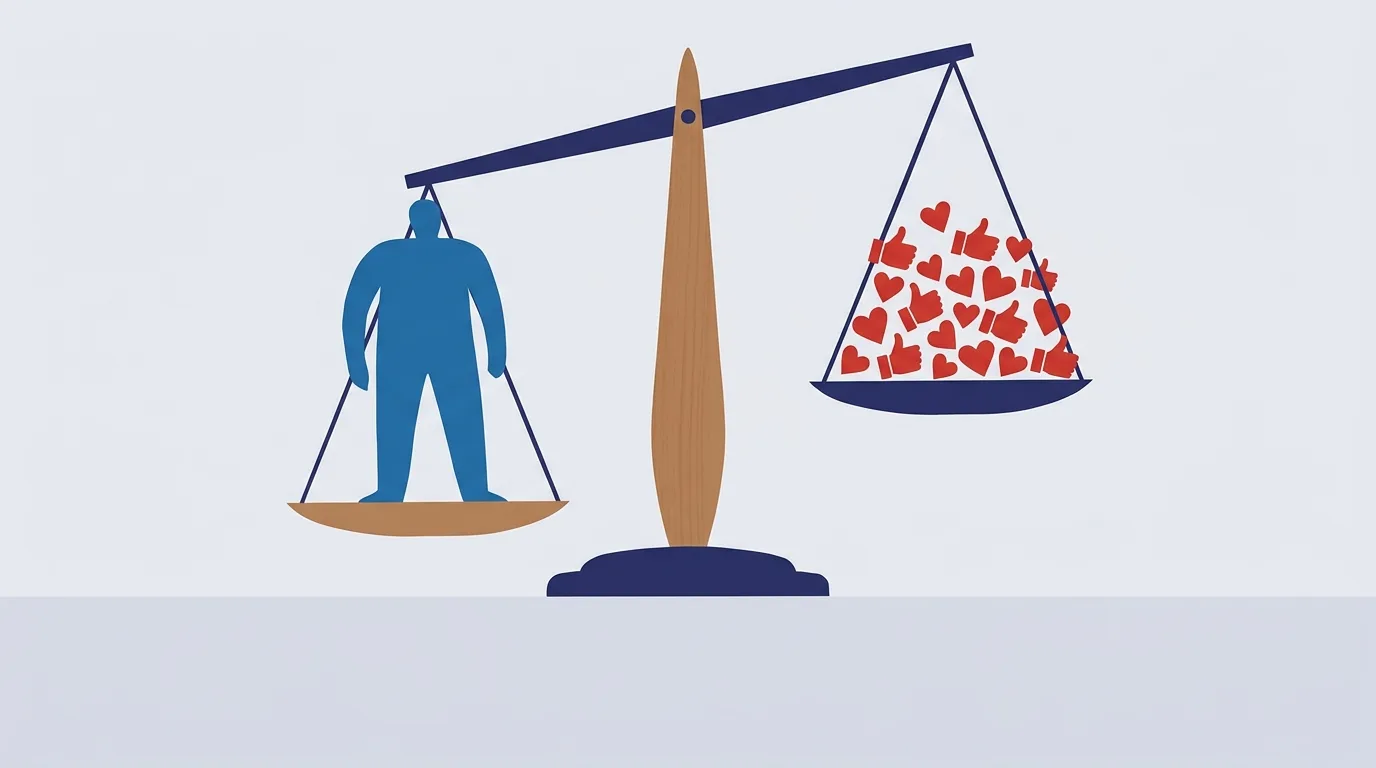 Kai Renner · Growth & Algorithms Analyst
One Rewatch Outweighs a Hundred Likes
While marketers continue to chase traditional engagement signals, modern algorithms treat a complete rewatch as mathematical proof of content density.
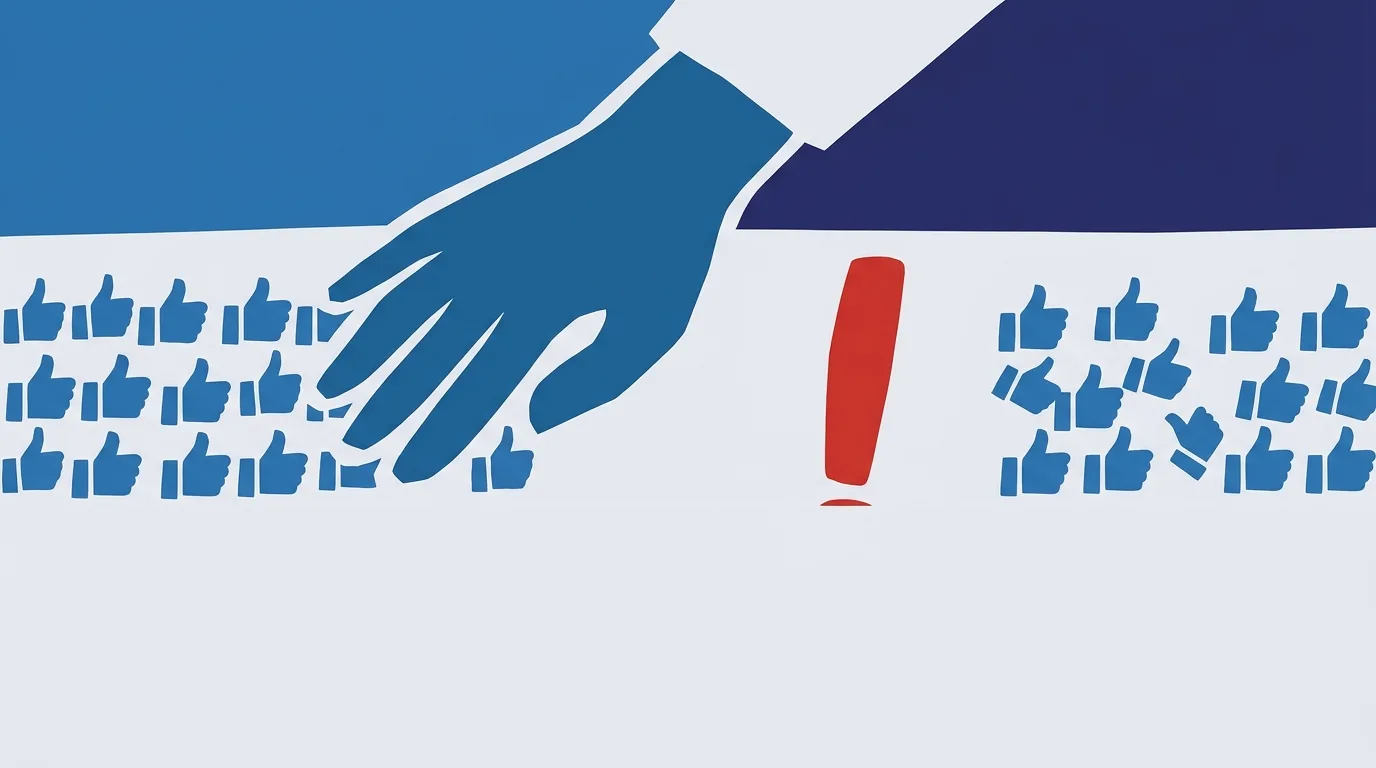 Kai Renner · Growth & Algorithms Analyst
One 'Not Interested' Erases a Hundred Likes
A quiet mathematical asymmetry governs modern feeds. Positive interactions add incremental reach, but active rejection acts as a severe multiplier that can erase all momentum.
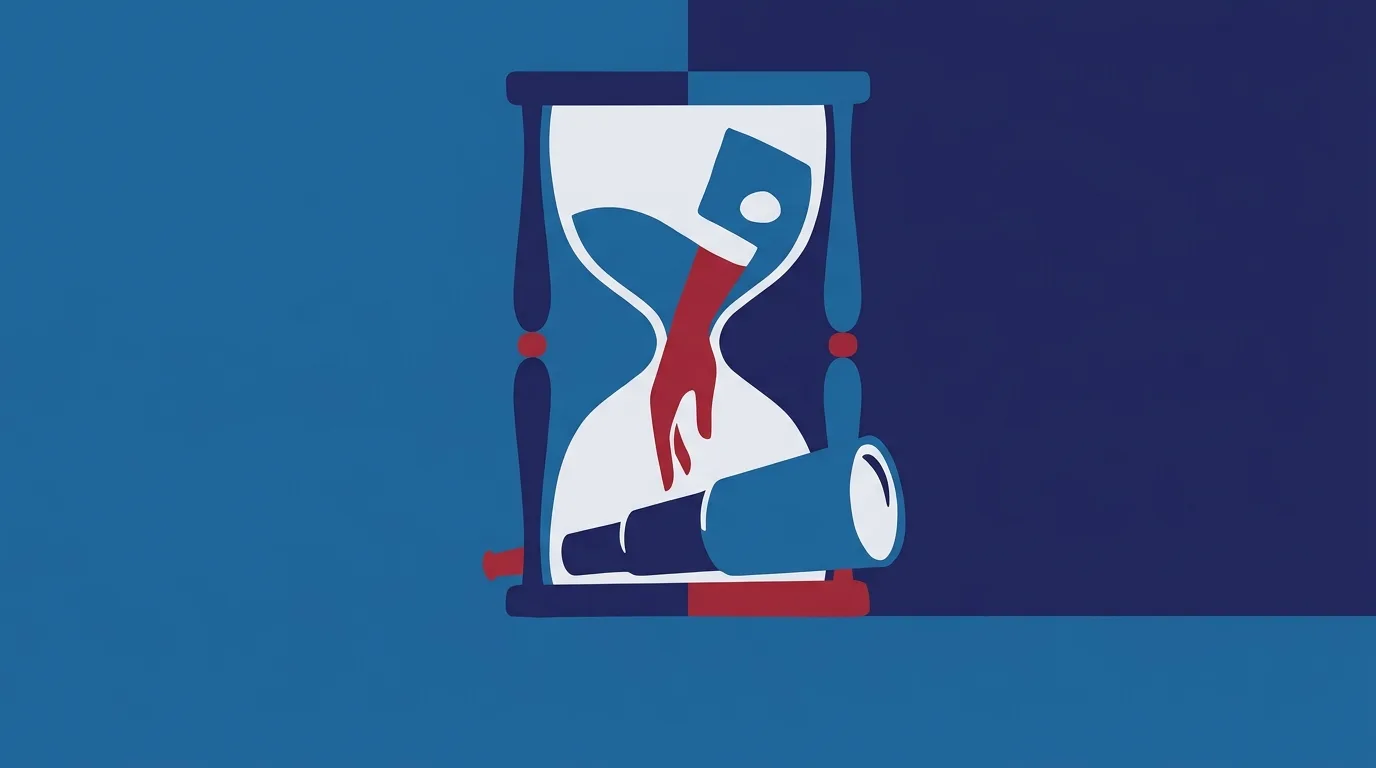 Kai Renner · Growth & Algorithms Analyst
The Expansion Click Starts the Clock
On text-heavy platforms, passive scrolling is mostly ignored. The algorithm's clock only starts when a user expands a truncated post.