Operator playbook
Handmade Product Variations: Show What Customers Choose and What Naturally Changes
Explain handmade product differences with real batch photos, clear buying choices and a reusable worksheet, then turn the explanation into a branded campaign.
 Clara Linwood · · 10 min read
For: US/UK independent makers and small retail brands selling repeatable handmade products.
The short answer
Separate selectable options, inspected variation within an option and exceptions; show real representative examples and carry that explanation through the campaign.
A handmade product can be consistent without looking identical. Before using “each piece is unique” in a caption, show what that means: what the customer chooses, what may differ within that choice, and whether the photograph shows the exact item they will receive.
That explanation can become useful marketing in its own right. It gives a maker something more specific to say than “made with love,” while helping a buyer picture the order accurately.
Outcome and prerequisites
Prepare a short product explanation and a connected set of posts for a repeatable handmade item. Bring finished examples from the stock you actually sell, the current option names, accurate product details and the person who decides what is acceptable to ship.
This guide is for independent makers and small retail brands serving US or UK customers. It focuses on visible differences in products such as printed textiles, decorated stationery or glazed ornaments. It does not define safety standards, manufacturing tolerances or a returns policy.
If customers buy the exact photographed piece, say so. If the image is representative, explain which details can differ. Do not leave that distinction for the buyer to discover after delivery.
A usable answer first
Separate three things before photographing the collection:
- Selectable options: choices the buyer can actually make, such as moss or ochre ink.
- Variation within an option: differences the maker has inspected and accepts, such as small changes in a hand-printed impression.
- Exceptions: a flaw, a different specification or a one-off sample that should not stand in for ordinary stock.
Etsy's listing-variation guidance treats variations as a defined list of options, such as size, colour or material, and allows photos to be linked to visible choices. That is different from promising a menu entry for every incidental mark in a handmade surface.
Write the choice first, then the boundary. A useful explanation might be: “Choose moss or ochre. Each towel carries the same leaf design; the depth of the hand-applied print can differ slightly. These photographs show examples from the current batch.” Use it only if those statements describe your actual stock.
Worked brief
Imagine a fictional block-printing studio selling cream linen tea towels. The maker offers two ink colours and one leaf design. Buyers choose the colour; they do not select an individual impression. The photos are representative examples rather than exact-item listings.
The studio wants to explain the print without making the product sound unpredictable. It places three accepted moss towels beside each other in the same light. A close view shows the ink texture; a wider photograph makes clear that all three belong to the same design. The maker keeps the product's size, material and care information on the order page.
A proposed caption is:
One leaf design, printed by hand. Choose moss or ochre; small differences in the printed impression are part of this batch. Swipe to see three moss examples, then check the product page for size, care and the available colours.
The important detail is “three moss examples.” A photo of three different colours would answer a different question. Neither image proves that every future batch will have the same range of differences.
If the studio cannot describe the difference clearly, it needs to inspect the goods before writing stronger copy. “Unique” is not a substitute for deciding what it is prepared to send.
Steps and checkpoints
- Sort the explanation with the product in front of you. Identify customer choices, accepted differences and items that need a separate decision. Keep rejected or experimental samples out of the representative group.
- Photograph a useful comparison. Hold lighting, scale and background steady so the visible difference belongs to the products. Etsy's product-photo guide distinguishes group, detail and scale shots. Use that distinction to decide what each frame must explain, rather than taking several decorative views of the same thing.
- Name the photograph's status. Is it the exact piece, an example of a selectable option, or several representative pieces? Put the answer near the image and ordering details. A customer should not need to infer it from a distant disclaimer.
- Match the option names. The post, image labels and order page should use the same colour or finish names. If the ordering system supports option-linked images, inspect the photo shown after selecting each option.
- Give each campaign piece one question. The group image answers “How different can they look?” The detail image answers “What creates that texture?” The ordering post answers “What do I choose?” Each uses the same approved explanation.
- Test understanding before scheduling. Ask a person unfamiliar with the product what they could choose and what might arrive differently. Record the confusion and revise the relevant image or sentence. This is a comprehension check, not a conversion experiment.
When a buyer supplies a name or custom wording, use a separate personalized-product ordering explanation. A supplied instruction is a different promise from a natural difference in the finish.
Reusable worksheet
Keep this filled example beside the photos, then copy the field names into a blank record for your own product.
| Field | Tea-towel example |
|---|---|
| Customer chooses | Moss or ochre ink |
| Consistent specification | Linen towel, leaf design; confirmed size and care on the page |
| Accepted difference | Small changes in the hand-applied impression |
| Evidence | Three inspected moss towels from the current batch |
| Photo status | Representative pieces; buyer cannot choose a particular impression |
| Unacceptable shortcut | A rejected print described as “one of a kind” |
| Content sequence | Group comparison, detail explanation, ordering reminder |
| Review trigger | New batch, changed options or a buyer misunderstanding |
Add your own product, option names, accepted differences, evidence files, photo status, reviewer and check date. If any answer is unknown, leave that campaign claim unapproved until it is resolved.
Keep the approved product explanation with the image files. That gives the next person making a post the same factual starting point.
Failure modes
“May vary” is asked to explain everything. It does not tell a customer whether the colour, dimensions or contents could change. Name the relevant characteristic and show accepted examples. Do not use one vague sentence to soften an unresolved quality problem.
The photograph is neater than the goods. Retouching away the very print texture being discussed defeats the explanation. Our AI product-image accuracy guide provides a separate check for edits that change what a buyer thinks they will receive.
A selectable option becomes a surprise. If the customer chose moss, a different available colour is not explained by natural variation. Confirm that stock and order selection support the choice being advertised.
A representative image outlives the batch. Reinspect the comparison when production changes. If the next batch looks materially different, replace the examples or change the explanation before reusing the posts.
The item is genuinely one of a kind. Photograph and describe that actual piece where practical. A general range-of-variation campaign may be less useful than a clear exact-item page.
From one-off to recurring
A small product explanation gives a campaign a steady centre. You can change the opening image or seasonal context while preserving the option names, representative-photo disclosure and buying instructions.
Try MultiCast when turning that explanation into a regular branded campaign becomes the repetitive part of the work. Its public product page describes campaign planning, brand-guided content, use of supplied photos and per-piece review. Bring the approved explanation and your own product photographs into one campaign, then review the comparison post, detail story and ordering reminder together.
The useful advantage to look for is continuity: a recognisable voice and visual direction around the same accurate offer, without rebuilding the creative brief for every post. This recommendation concerns campaign preparation. The maker still decides which products and photographs represent the stock; we have not tested a product-inspection or inventory-sync capability.
A single occasional announcement can stay in a shared document. Recurring batches make it more useful to keep the facts, photos and creative preparation together. Find complementary routines in our organic marketing guides.
Evidence and updates
Sources checked October 10, 2026. Etsy supplies platform-specific option guidance and photography advice; MultiCast describes its advertised workflow. The three-part distinction, tea-towel example and worksheet are editorial proposals, not results from a customer campaign.
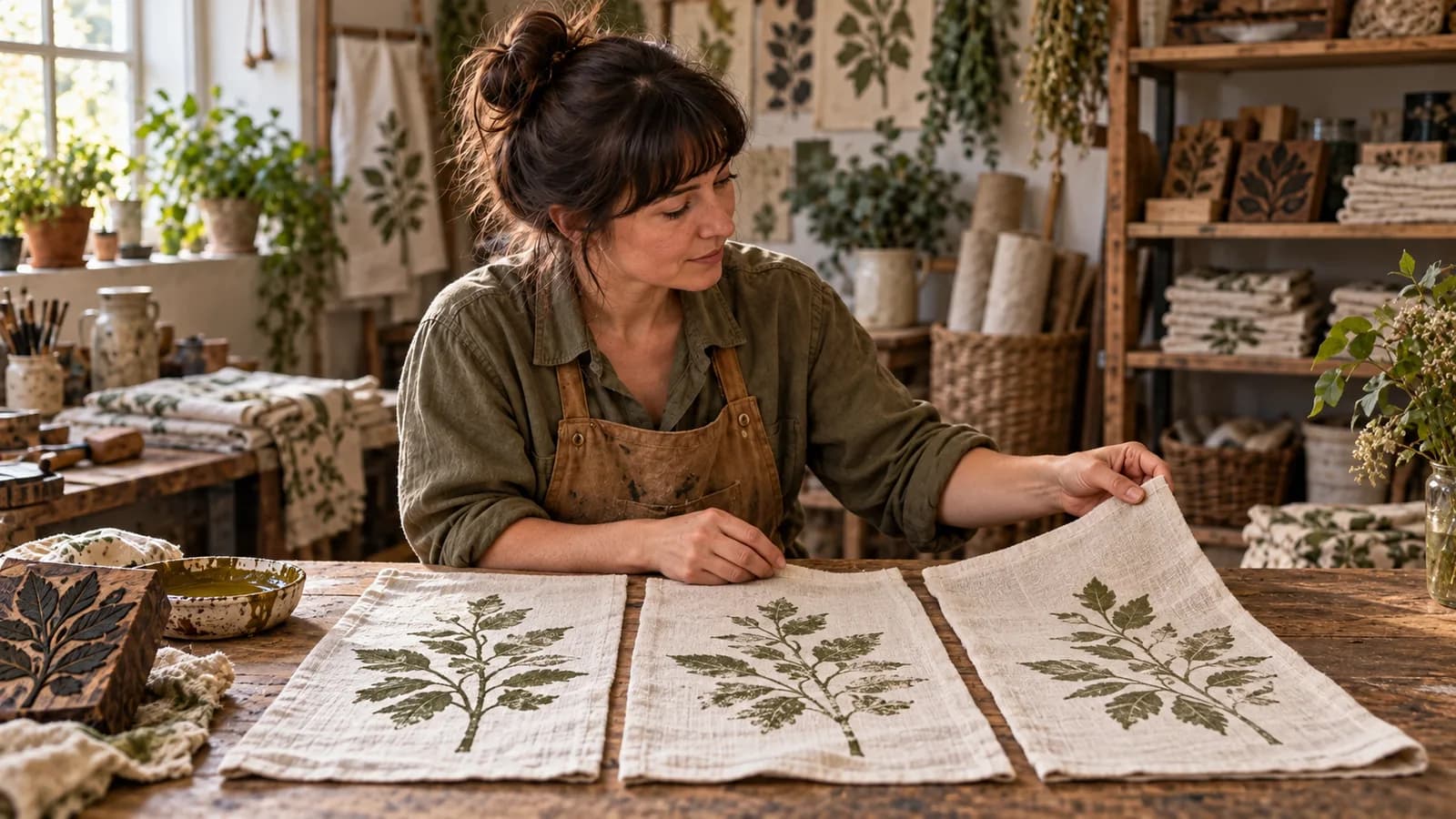
The cover is generated editorial artwork featuring our recurring fictional Clara character. It is not evidence of a real textile batch. Review the explanation whenever the product, ordering choices or representative photos change, and recheck the cited guidance before reusing it for a different selling platform.
 MultiCastMARKETING, TOGETHER.
Good ideas deserve a consistent campaign.
Bring your next marketing idea to MultiCast. Keep your brand at the center, from planning to publishing.